How to Pack a Storage Unit: The Complete Guide to Packing for Storage
free moving cost calculator

Whether you are downsizing, remodeling, relocating, or simply decluttering, using a storage unit can be a smart solution. However, many people underestimate how important it is to pack properly before placing items into storage.
If you are wondering how to pack for storage or how to pack a storage unit correctly, this guide will walk you through everything you need to know. At Affinity Moving, we help Minneapolis residents move and store their belongings safely year-round. Proper packing protects your furniture, electronics, and personal items from damage, dust, and moisture.
Let’s break down how to pack for a storage unit the right way.
Why Proper Packing for Storage Matters
A storage unit is not the same as your home. Items may sit untouched for months or even years. Without proper preparation, you risk:
- Moisture damage
- Mold and mildew
- Pest intrusion
- Warping or cracking of wood
- Rust on metal items
- Crushed boxes
- Lost or forgotten belongings
Knowing how to pack a self storage unit properly ensures your items stay in good condition until you need them again.
Step 1: Choose the Right Storage Unit
Before packing anything, make sure you choose the right unit size and type.
Consider:
- Climate controlled vs non climate controlled
- Ground floor vs upper level
- Unit size based on inventory
- Accessibility requirements
For delicate items like wood furniture, electronics, artwork, and documents, climate controlled storage is highly recommended.
Affinity Moving can help you estimate the correct unit size based on your inventory.
Step 2: Gather Proper Packing Supplies
If you want to learn how to pack for storage properly, start with the right materials:
- Sturdy moving boxes
- Plastic bins with lids
- Bubble wrap
- Packing paper
- Moving blankets
- Mattress covers
- Furniture covers
- Pallets or boards
- Packing tape
- Permanent markers
- Moisture absorbers
Avoid using old, weak boxes. Storage requires durable containers that can hold weight over time.
Step 3: Clean Everything Before Packing
One of the most overlooked steps in how to pack for storage is cleaning.
Before placing anything into boxes or bins:
- Dust and wipe down furniture
- Vacuum upholstered items
- Clean appliances
- Wash and dry clothing
- Empty drawers completely
Dirt and crumbs can attract pests. Moisture can cause mold. Clean items last longer in storage.
Step 4: Disassemble Large Furniture
When learning how to pack a storage unit, space efficiency is critical.
Disassemble items such as:
- Bed frames
- Dining tables
- Shelving units
- Desks
- Sectional sofas
Store hardware in labeled plastic bags and tape them securely to the furniture pieces.
Disassembly saves space and reduces the risk of breakage.
Step 5: Protect Furniture Properly
Furniture should never go into storage without protection.
Follow these guidelines:
- Wrap wood furniture in moving blankets
- Use plastic covers for mattresses and sofas
- Place cardboard between glass surfaces
- Avoid direct contact with concrete floors
- Keep furniture elevated on pallets
Never wrap wood furniture tightly in plastic alone. Wood needs airflow to prevent moisture buildup.
Step 6: Pack Boxes Strategically
When figuring out how to pack for storage unit use, box organization matters.
- Pack heavier items in smaller boxes
- Keep boxes under 50 pounds
- Fill empty space with packing paper
- Seal boxes tightly
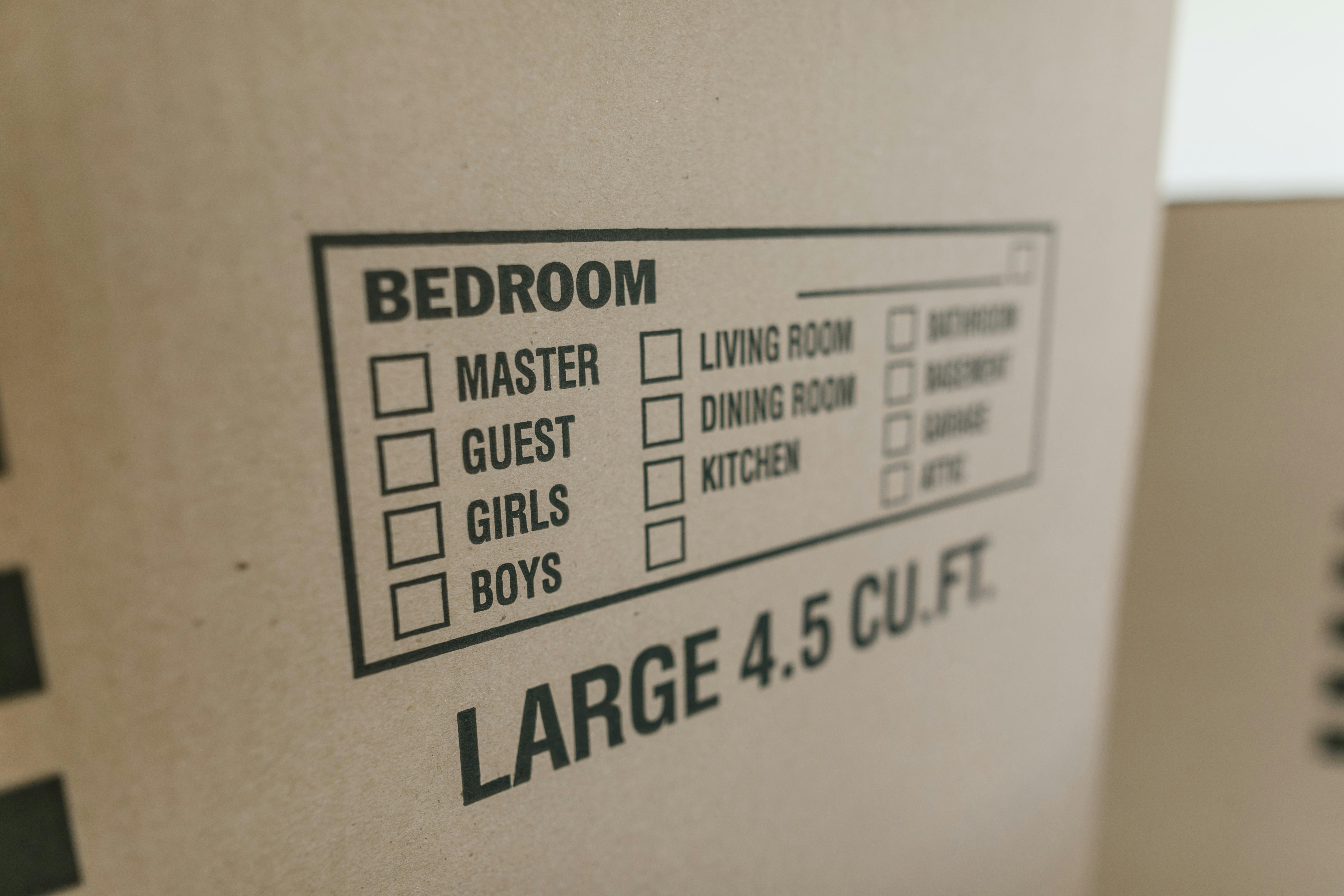
- Label clearly on multiple sides
Write general categories like Kitchen Items, Office Supplies, or Holiday Decorations to make retrieval easier.
Step 7: Use Plastic Bins for Long Term Storage
For long term storage, plastic bins are often safer than cardboard.
They offer:
- Moisture resistance
- Pest protection
- Greater durability
- Stackability
Plastic bins are ideal for clothing, documents, and seasonal decorations.
Step 8: Create an Aisle in Your Storage Unit
Many people make the mistake of filling a storage unit from floor to ceiling without leaving space to walk.
When learning how to pack a self storage unit, remember this rule:
Always leave a center aisle.
Benefits of an aisle:
- Easy access to items
- Better air circulation
- Safer movement
- Ability to retrieve specific boxes without unloading everything
Strategic placement saves time later.
Step 9: Place Heavy Items in the Back
When packing a storage unit:
- Put heavy furniture and boxes against the back wall
- Stack lighter boxes on top
- Keep fragile items near the front
- Store frequently used items toward the entrance
Think of your storage unit like a well organized garage.
Step 10: Protect Against Moisture
Even climate controlled units can experience humidity.
Protect items by:
- Using moisture absorbers
- Keeping items elevated off the ground
- Leaving space between walls and furniture
- Avoiding airtight plastic wrapping for wood
This is especially important in Minneapolis, where seasonal humidity changes can affect stored items.
Step 11: Label and Inventory Everything
A strong inventory system is part of knowing how to pack for storage effectively.
Create a simple list of:
- Box numbers
- General contents
- Location inside the unit
Example:
Box 1 – Winter Clothes – Front Left
Box 2 – Office Supplies – Middle Shelf
Box 3 – Kitchen Appliances – Back Wall
Taking photos of your packed unit can also help you remember placement.
Step 12: Avoid Storing Prohibited Items
Most storage facilities prohibit:
- Gasoline
- Propane tanks
- Fireworks
- Perishable food
- Live plants
- Hazardous chemicals
Always check facility guidelines before loading your unit.
Common Mistakes When Packing for Storage
Avoid these common errors:
- Using weak or damaged boxes
- Storing items directly on the floor
- Failing to label boxes
- Overpacking large boxes
- Forgetting to create an aisle
- Wrapping wood in plastic without ventilation
- Not cleaning items beforehand
Preparation prevents damage.
How Long Can Items Stay in Storage?
If properly packed, items can remain in storage for years without issue.
Key factors include:
- Climate control
- Proper wrapping
- Moisture management
- Organization
- Cleanliness
The better you pack, the longer your belongings will last.
Should You Hire Professional Movers for Storage Packing?
If you are overwhelmed by the process of how to pack a storage unit, professional help can save time and prevent damage.
Affinity Moving offers:
- Professional packing services
- Furniture wrapping and protection
- Storage loading and unloading
- Inventory assistance
- Climate aware handling
We help Minneapolis residents store their belongings safely and efficiently.
Final Thoughts: How to Pack for Storage the Smart Way
If you are asking how to pack for storage, remember these key steps:
- Clean everything first
- Disassemble large items
- Use strong boxes and plastic bins
- Protect furniture properly
- Elevate items off the floor
- Leave a walking aisle
- Label and inventory everything
A well packed storage unit protects your belongings and makes retrieval simple.
Call Affinity Moving for Storage Help
Need help packing or moving items into storage? Affinity Moving is here to assist.
- Call 612-416-6640
- Request a free estimate on our website
- Serving Minneapolis, St. Paul, Edina, Bloomington, and surrounding areas
Affinity Moving makes packing, moving, and storage simple and stress-free.
Author Bio 📖
Keron Kent
Crew Foreman
.jpeg)









Why We’re Among the Top Minneapolis Movers
At Affinity Moving, we’ve earned our reputation as one of the top Minneapolis movers through reliable service, honest pricing, and exceptional care. Whether you’re moving across town or across the state, our experienced team ensures a smooth, stress-free relocation every time. Discover why homeowners and businesses trust us as their go-to Minneapolis moving company and one of the most dependable moving companies in Minneapolis.