.png&w=384&q=75)
Affinity Moving · October 16, 2026
← All articlesHire professionals for most piano moves, and keep DIY for short, single-level trips with the right gear and helpers. Pianos are heavy: uprights run 300–800 lbs, baby grands roughly 500–650 lbs, and concert grands 990 lbs and up. Measure the piano and your route first, then either rent a piano dolly and board or call a licensed, insured mover like us at Affinity Moving.
TL;DR:
- A DIY move needs a piano dolly or skid board, straps, blankets, and three or four helpers; choose gear rated above the piano’s actual weight.
- Measure the piano, door frames, stairs, and landings before moving; a grand turned on its straight side needs about 30 inches of doorway clearance.
- Stairs, tight landings, moves over long distances, grands, and valuable antiques call for specialists; piano fees often add $150 to $350 beyond standard moving charges.
- Never roll a grand on its casters: movers remove its legs and pedal lyre, then strap the body to a skid board.
- Wait a couple of weeks before tuning, longer after major climate changes, and keep the piano away from vents, direct sunlight, and exterior walls.
Table of Contents
- What equipment do you need to move a piano?
- How do you measure and map the route?
- How do you prep the piano and your home?
- How do you lift, load, and secure a piano?
- What is different about moving a grand piano?
- What should you do after the move?
- When should you hire professional piano movers?
- Why careful planning beats improvising
- Book your piano move with Affinity Moving
- FAQ
- Sources
What equipment do you need to move a piano?
Pianos are heavy and unevenly balanced, so a hand truck and a few friends will not cut it. A DIY move calls for a piano dolly, moving straps, furniture blankets, and at least three to four capable helpers. A dolly suits an upright rolling across level floors, while a skid board (also called a piano board) suits stairs, grands and anything you need to stand on its side.
Gather this before move day:
- Piano dolly with carpeted or rubber caps
- Piano skid board
- Ratchet or cam-buckle straps
- Moving blankets and stretch wrap
- Caster cups, floor runners and door-jamb protectors
- Padding and painter’s tape
The rule that matters most is capacity. Pro-grade dollies are commonly rated around 1,000 lbs, so choose gear comfortably above the piano’s weight, not just barely over it.
Piano weights vary a lot: uprights 300–800 lbs, baby grands 500–650 lbs, concert grands 990 lbs and up. Look up your model’s actual weight before you rent anything.
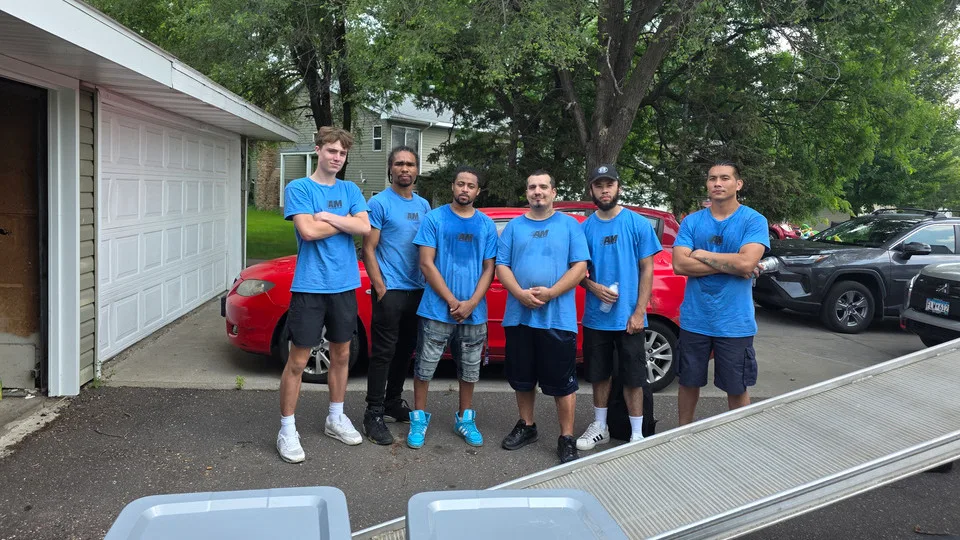
Specialty suppliers sell flared boards, strap sets and stair rollers, and rental counters often stock the basics. Check the printed load rating on every dolly and board before you trust it.
Pro Tip: Buy or rent the board and straps even if you already own a dolly. A dolly alone is the tool people most often push past its limits.
How do you measure and map the route?
Measure the piano’s depth, width and height. Then measure every door’s width and depth, frame clearances, stair width and each landing where you must turn. Standard interior doors are usually 28–36 inches wide, and a grand turned on its straight side has to pass through a door of about 30 inches.
- Measure the piano’s three dimensions and write them down.
- Measure each doorway and frame, including the depth of the door itself.
- Measure stair width and the clear space at every landing.
- Tape the piano’s footprint on the floor and walk it through each turn.
- Check truck access: a ramp or lift gate, and a box truck sized for the piano.
The tape test is simple and catches most surprises. If the footprint cannot pivot at a landing without clipping a wall, the piano will not either.
Narrow staircases, tight landings and high floors are strong signals to hire pros. Our post on stairs and building access explains how those conditions change a move.

Pro Tip: Leave about 36 inches behind the keyboard in the new room for the bench and player, and mark the final spot with tape before the piano arrives.
How do you prep the piano and your home?
Do this before anyone lifts anything:
- Lock the keyboard lid, or tape it shut with painter’s tape.
- Remove everything on or inside the piano and secure loose hardware.
- Wrap the body in moving blankets, then stretch wrap over the blankets, never directly on the finish.
- Remove rugs and lay floor runners; use plywood over thresholds.
- Pad door jambs and banisters.
- On a grand, remove the legs and pedal lyre, label each part and wrap the legs separately.
- Assign each helper a role and rehearse the route without the piano.
Preparation steps like securing the lid, wrapping in blankets and stretch wrap, and bagging detached parts are what expert movers do before they touch the instrument. Rehearsing sounds fussy, but it is the cheapest insurance you will buy. A helper who knows which side to guard rarely drops a corner.
For small detached pieces, our guide to packing fragile items covers padding and labeling that works for pedals and hardware too.
How do you lift, load, and secure a piano?
Work in this order:
- Clear the path and place floor protection.
- Have helpers hold the piano steady while you tip it just enough to slide the dolly or skid board underneath.
- Strap the piano firmly to the dolly or board before it moves an inch.
- Roll slowly with one person guiding and one watching each end.
- Load by ramp, never by lifting over a bumper.
- Stand the piano upright against the truck wall on padding and cinch it with ratchet straps anchored to the truck rails.
Never drag a piano or roll it on its own legs or casters. Tipping or dragging a piano on its legs or casters is how legs break, and the damage often shows up later as a wobble.
Stairs usually justify professional help. Professional movers note that piano moving takes more knowledge and skill than strength, and that stairs and long moves favor the pros. Keep detached parts in a labeled box inside the cab or a padded corner so nothing slides during transit.
Pro Tip: Stop and re-tighten the straps after the first few minutes of driving. Blankets compress and straps loosen.
What is different about moving a grand piano?
A grand’s legs and pedal lyre carry the instrument’s weight at stress points. Rolling a grand on its casters commonly breaks legs, so professionals remove them and strap the body to a skid board. Here is how the process works:
- The piano is tipped onto a padded board on its straight side, then strapped down.
- Legs and the pedal lyre are labeled, wrapped separately and boxed.
- The board is carried or dollied through doors and onto the truck.
- Reassembly follows in reverse: lyre and legs first, then the piano is turned upright and checked for level.
- A baby grand takes a smaller crew than a concert grand, but both need rated equipment and enough hands.
Grand piano legs and pedals are structural stress points, which is why pros remove them and use a skid board. Treat any plan that rolls a grand on its casters as a red flag.
What should you do after the move?
Let the piano settle into the new room’s temperature and humidity before you call a tuner. Rushing a tuning right after arrival means paying twice, because pitch shifts as the wood adjusts.
- Wait a couple of weeks before tuning, longer after a big climate change.
- Keep the piano away from vents, direct sun and exterior walls.
- Use climate-controlled storage if there is a gap between homes, since humidity swings stress wood and strings.
- Inspect the finish, legs, casters and pedals, and photograph any damage right away.
- Check what your mover’s liability coverage includes and file claims promptly.
If professionals handled the move, they should reassemble the piano and place it exactly where you marked.
When should you hire professional piano movers?
Hire a specialist when any of these apply: stairs, narrow landings, a grand piano, a long-distance move, or a valuable antique. Specialty moves also come with extra cost, and specialty piano fees often run $150–$350 on top of standard moving charges, so get several quotes and check credentials.
Ask each mover:
- What are your insurance limits for a piano?
- Does the written estimate list stairs, access and any crane or hoist needs?
- What equipment will the crew use?
- How much experience do you have with this piano type?
We are licensed and insured, and our written estimates account for size, access, distance and timing, so you know the plan before move day. Our St. Paul piano movers page shows how we handle specialty piano work, and our piano cost article explains local pricing.
Pro Tip: When you request a quote, send the piano type, its dimensions, and photos of the stairs and doorways. Better details mean fewer surprises on the day.
Why careful planning beats improvising
The most common DIY story I hear starts with “we thought it would fit.” Someone gets a piano halfway down a staircase before discovering the landing is too tight, and then everyone is holding hundreds of pounds with no good place to set it down. Measure first, gear up, and if anything on your route makes you hesitate, call a specialty mover.
— Derrick
Book your piano move with Affinity Moving
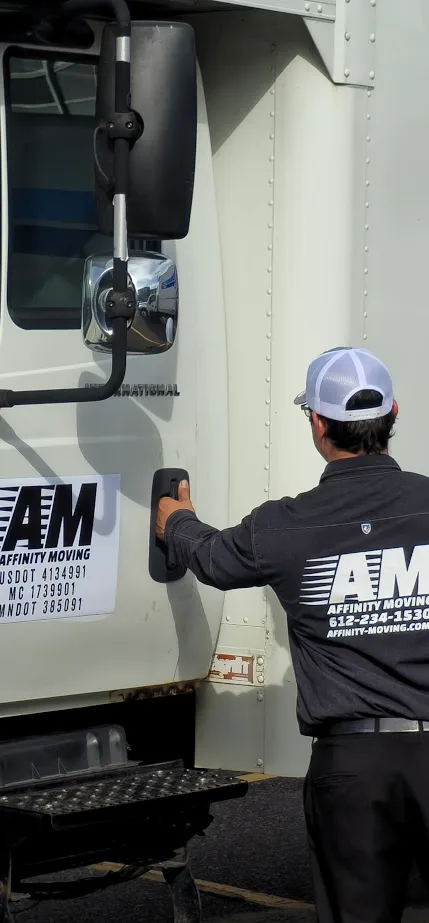
Piano moving is part of our specialty moving services, and we provide a written estimate based on size, access, distance and timing. Our trained, licensed and insured crews handle the full job:
- Wrapping and padding the piano
- Disassembly and reassembly where needed
- Truck loading and securement
- Careful placement in your new space
To get your estimate, send the piano type, dimensions, stair count and photos of the route. Request your free estimate and we will plan your piano move with you.
FAQ
How is the best way to move a piano?
The safest way is to hire a licensed, insured specialty mover. If you do it yourself, use a rated dolly or skid board, straps, blankets and at least three to four capable helpers.
Will shoulder dollies work on a piano?
No, shoulder dollies are built for appliances and furniture, not instruments this heavy and unevenly balanced. Use a piano dolly or skid board rated well above the piano’s weight.
What is a piano board?
A piano board, or skid board, is a padded, flat board that a piano is strapped to for carrying or rolling. Professionals use it to move grands safely after removing the legs.
Can you move an upright piano with two people?
Two people may not be enough for an upright, which can weigh 300–800 lbs. Assess the move carefully, use proper equipment and enough capable helpers, or hire professionals.
Sources
- Moversville
- How to Move a Piano: Step-by-Step Guide
- How to Move a Piano, According to a Professional Mover | Apartment Therapy
- Piano Moving Equipment